Showing posts with label allergic. Show all posts

POISON IVY, OAK AND SUMAC


This is a dermatitis that develops from contact with uroshiol from poison ivy, oak, or sumac plant. Poison ivy, oak and sumac are most common allergy in the country claiming half the population and sensitivity to uroshiol can develop at any time. And a person who contacts with ivy, oak or sumac appears to react slightly different to all the remedies.

Assessment :

How is the nursing intervention?

When a person is suspected contact with poison ivy, oak or sumac, do these steps:
  • Cleanse the skin of the plant oils
  • Apply cool, wet dressing with Burow’s solution to relieve itching
  • Apply lotion or topical corticosteroid as prescribed, and
  • Oral corticosteroid for severe reaction as prescribed


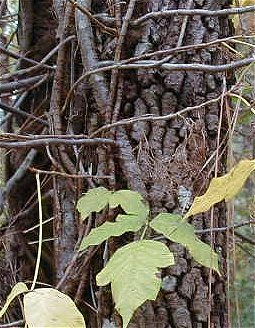
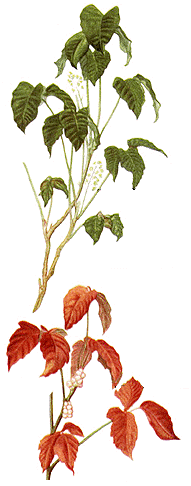
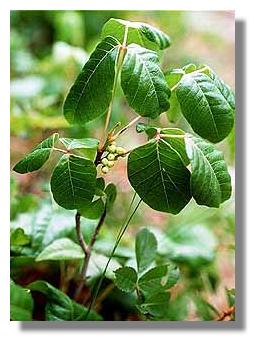
Pictures of Ivy :


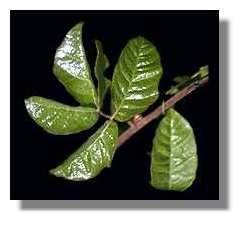
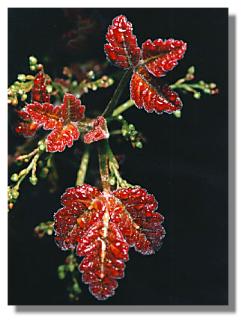
Pictures of Oak :

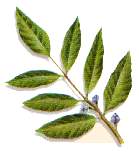
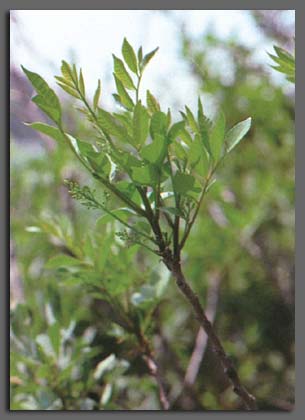
Pictures of Sumac :


Read more...

Contact Dermatitis


Contact dermatitis is an inflammatory response of the skin that produces skin changes after contact with a specific allergen (allergic contact dermatitis) or irritant (nonallergic contact dermatitis). It is also called a T lymphocyte-mediated dermatitis (type IV hypersensitivity).

Specific allergen that cause contact dermatitis in many people include "poisonous" plants such as poison ivy, certain foods, some metals, cleaning solutions, detergents, cosmetics, perfumes, industrial chemicals, and latex rubber.

A person who has contact dermatitis will get sign and symptom of pruritus and burning, erythema at the point of contact, edema, vesicles with drainage, as well as sign of infection.


Nursing intervention for client with diagnose of contact dermatitis will include :
  • Elevation the extremity to reduce edema
  • Maintaining a cool environment
  • Apply cool and wet dressing and tepid bath
  • Protection of the affected area from trauma
  • Prevention of scratching and rubbing of the affected area
  • Assisting with skin testing to determine allergen
  • Encourage client to avoid contact with the allergen and harsh soaps
  • Encourage client to avoid using heating pads or blankets
  • Administering (as prescribed) antibiotic, antipruritic, antihistamine, and corticosteroids.


Read more...