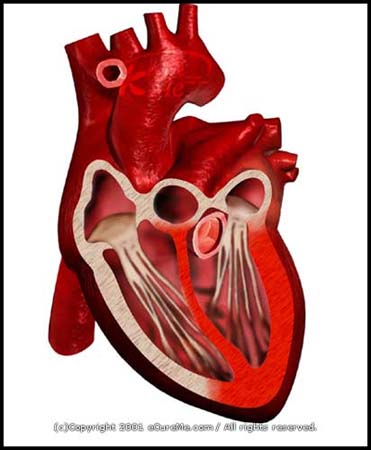
Myocarditis is the inflammation of the myocardium. Generally myocarditis is due to infection from virus, bacteria, protozoa or helminthes, toxins, systemic disease, radiation, and drugs. The inflammatory process causes edema and damage to the cell of the heart that results in weakening anf the heart muscle and then decreases its contractility. Mycardtis has a 20% to 30 % mortality rate.
Signs and Symptoms of Patient with Mycarditis:
- Anorexia
- Malaise
- Fatigue
- Fever
- Weight loss
- Night Sweats
- Heart murmurs
- Elevated ESR and WBC
- Positive blood cultures, reflecting an infectious or inflammatory
Nursing Intervention for Patient with Myocarditis:
- Monitor vital sign and assess for presence of murmus
- Administer antibiotics as prescribed and monitor for side effects
- Assess and monitor for signs of heart failure
- Assess for signs of embolic or dysrhythmias
- Provide adequate rest periods for patient
Special Teaching for Patient with Myocarditis:
- Teach patient how to avoid recurrence of infection: using antibiotic prophylaxis for dental or urological procedures.
- Teach patient the side effects of each myocarditis mediction.
- Teach patient how to modify lifestyle to avoid excessive fatigue and to stop activities that result in chest pain, faintness, or dyspnea.
- Teach patient the importance of completing mycarditis medication schedules.
Read more...


